Our interest to promote soils and arts literacy knows no national boundaries. The Portuguese and German interdisciplinary networks, also known as “Soils and Arts Orchestras” had a bilateral meeting in the city of Porto, in the framework of the festival BioBlitz Serralves in April this year.
Representatives of both orchestras met to inspire each other and to share what they do and what they are planning to do in the future in the field of soils and arts promotion. The Serralves Park turned into an enormous scenario for music and artistic performances, as well as for presentations and vivid discussions.
The two-day event started with a musical Performance by Ulrike Hethey, which took place outside, and had direct contact to the soil as many participants were bare feet.
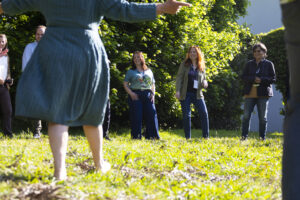
Figure 1: Musical performance by Ulrike Hethey. Picture by António de Carvalho
Since the attendees did not know each other, a speed dating game allowed them to break the ice and exchange the first words between them.
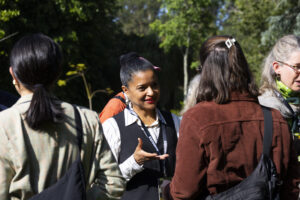
Figure 2: Speed dating game. Picture by António de Carvalho
The open call winning projects presented their exciting plans for this and next year. Orchestra members had the chance to display their work and passion in the section: Show and tell: my work, my passion at a glance, where they had the freedom to perform, or display and let the audience have a glance at their artistic and/or scientific passions. Maria del Pilar Schnake interacted with her public using no words, but by catching everyone’s attention in her soil costume and by allowing audience members make prints using innovative materials made of fungi and Samuel Martins Coelho how a small box with tiny objects can be full of interesting stories and emotions.
The team of the Serralves foundation were amazing hosts that made the most amazing synergies possible. Other artists from around the world were also present at the park, for instance the inspiring Nikki Lindt, who led a “Soundwalk”, that applied Nikki’s technique of listening underneath the surfaces through sensitive microphones. Suddenly, the hidden sounds underneath the soil surface became audible, and this experience was really mind-blowing.
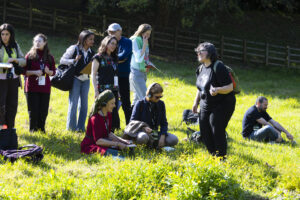
Figure 3: Sound walk by Nikki Lindt. Picture by António de Carvalho
Other highlights of the event include a guide tour through park, the “Cactophonie Workestra” with João Ricardo Oliveira, who let his audience create music out of the touch of his cacti. Each pot had a sensitive microphone that magnified the sounds created by various instruments that gently caressed the thorns.
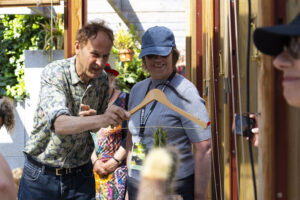
Figure 4: “Cactophonie” by João Ricardo Oliveira. Picture by Magda M. de Carvalho
“Pequeno Mundo” by the talented Samuel Martins Coelho and Space Ensemble group captivated the spectators through its unique mixture of live music, projections and sounds collected in the nature.
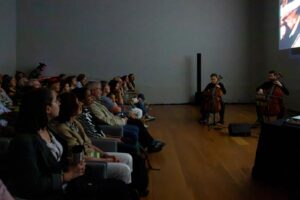
Figure 5: “Pequenos Mundos” by Samuel Martins Coelho. Picture by Magda M. de Carvalho
Even though this event was originally conceived as a bilateral meeting, colleagues from Poland, Italy and France also joined and enriched this experience even further. Exchange is always richer when the backgrounds are more diverse, and this was no exception.
Such encounters of artists, scientists, and people advocating for a deeper conscience about healthy soils in Europe and beyond, as well as the roles of the arts as a fundamental cultural element that connect us to nature and between each other, fuel meaning actions towards a better future.
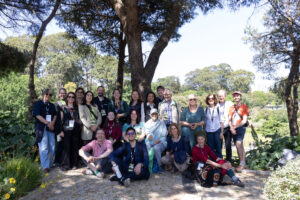
Figure 6: Group picture. Picture by Anabela Rosas Trindade